
The Hidden Costs of Trade-In Credits vs. Local Cash Buyers
The Hidden Costs of Trade-In Credits vs. Local Cash Buyers
The Hidden Costs of Trade-In Credits vs. Local Cash Buyers
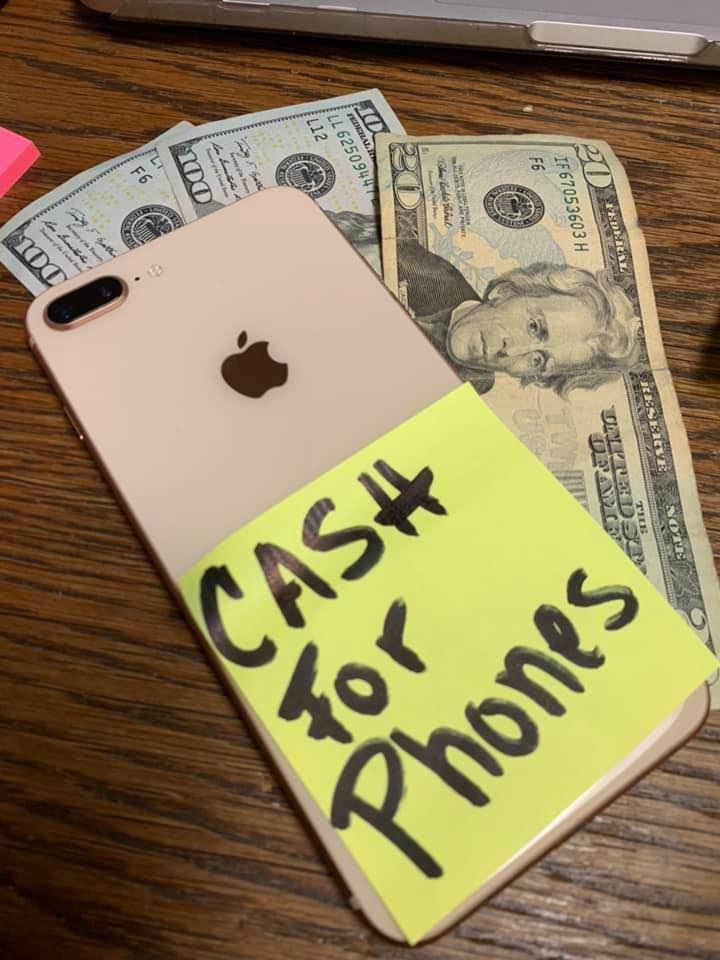
When it is time to upgrade, the search for the best place to sell an iPhone near me usually leads to two distinct paths: accepting a high-value promotional trade-in from a major cellular carrier, or selling the device directly to a local professional buyer for immediate cash. While carrier promotions look incredibly lucrative on paper, a deeper analysis reveals significant long-term costs.
Decoding the "Bill Credit" Strategy
Carriers frequently advertise trade-in values up to $800 or $1,000. However, this money is rarely given to you as upfront capital. Instead, it is divided and distributed as credit on your monthly bill over a 36-month period. This effectively locks you into a three-year commitment. If you decide to switch networks, move, or upgrade your phone before those three years are up, you forfeit the remaining balance of your device's value.
The Financial Freedom of Liquid Capital
Choosing a dedicated local electronics buyer allows you to bypass the contract trap completely.
Immediate Funding: You walk out with cash or an instant digital transfer on the same day.
Carrier Flexibility: With liquid cash, you can buy your next smartphone outright, allowing you to opt for cheaper "Bring Your Own Device" (BYOD) monthly service plans.
Accurate Appraisals: Professional storefronts evaluate the physical and internal health of your tech immediately, offering transparent pricing without hidden catches.
Protecting Your Assets and Security
Beyond the financial aspects, specialized local storefronts offer unmatched data security. They utilize advanced software to completely purge your personal files, a stark contrast to peer-to-peer marketplaces where your device might change hands with data fragments still intact. Just remember that legitimate buyers maintain high standards and have established strict rules regarding items that we do not buy—such as stolen property or devices with active activation locks—ensuring all transactions remain fully lawful and secure.